Product Design · Ergonomics · Prototyping
StrainlesslyServe
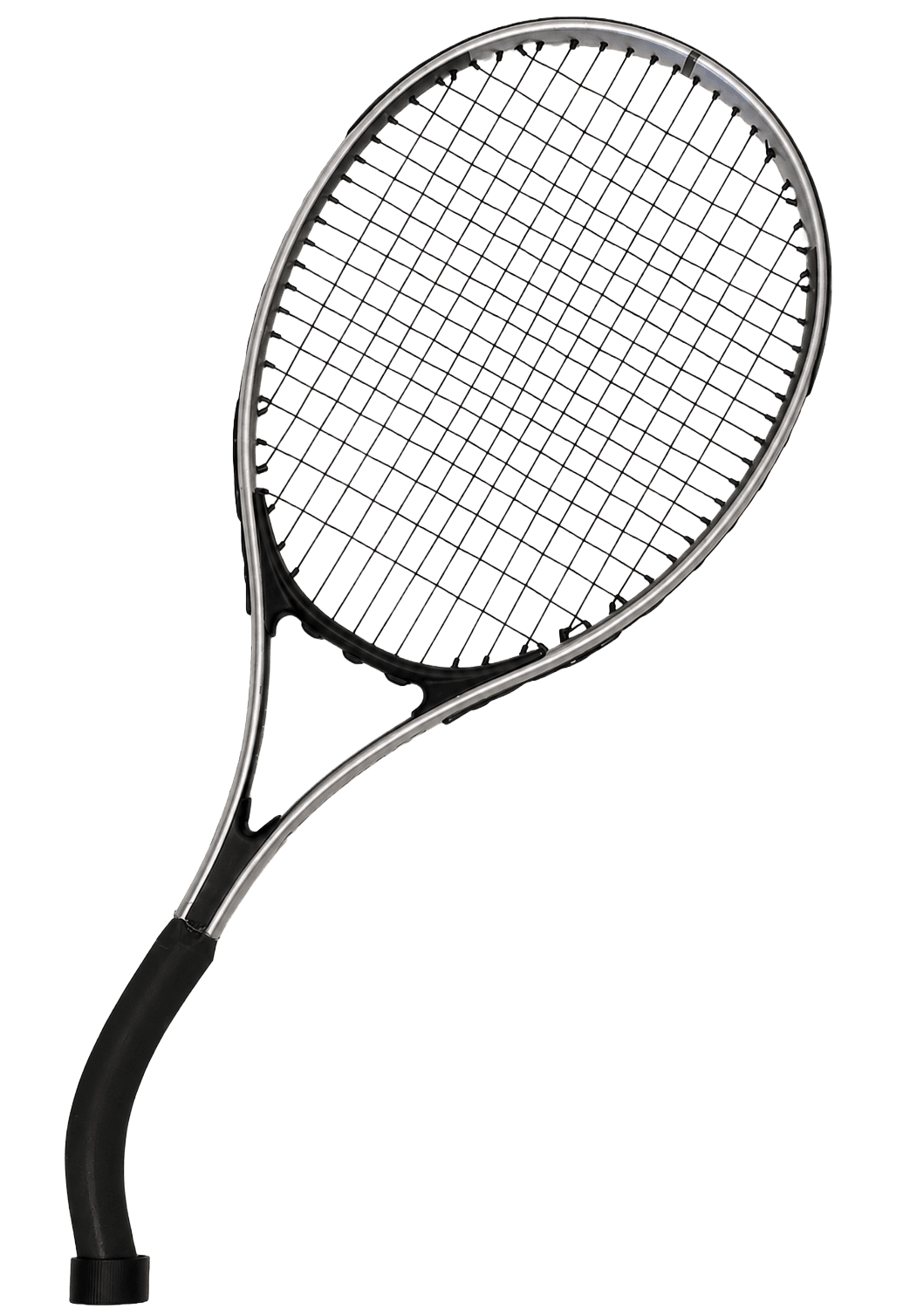
An ergonomic tennis-racket handle developed to improve comfort, grip security and wrist position for elderly users, explored through sketching, prototyping, interchangeable grip profiles and CAD development.
The Brief & Concept Development
The Brief
The project responded to an age-related design brief focused on elderly tennis players with arthritis. The design challenge was to reduce strain during gripping while maintaining the familiarity, control and functionality expected from a tennis racket.
An ergonomic design exploration, not a medical device.
Concept Development
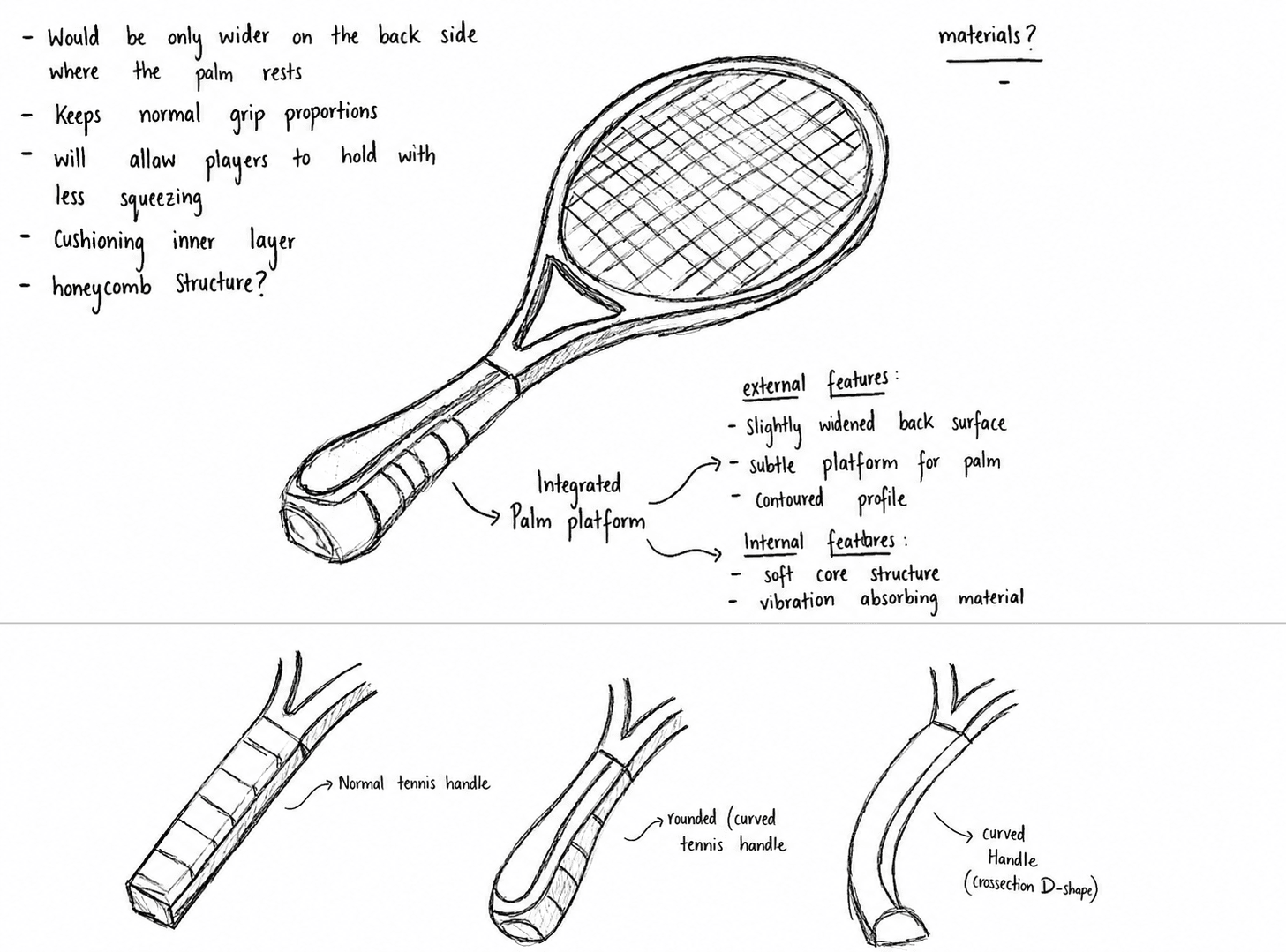
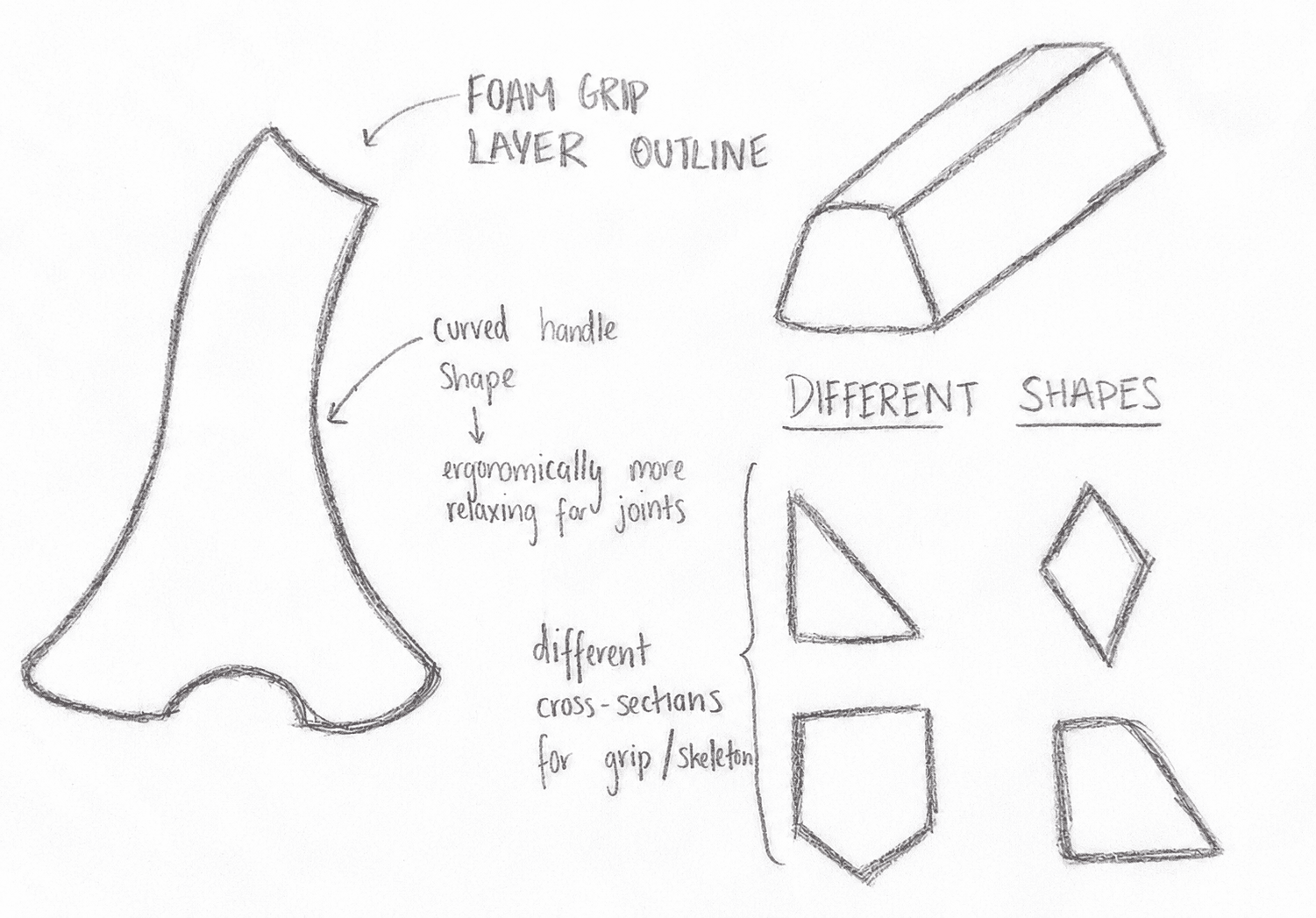
Early concept development explored curved handle geometry, a more neutral wrist position, increased palm support, cushioning and alternative handle cross-sections while maintaining usable racket proportions.
Prototyping & Material Exploration
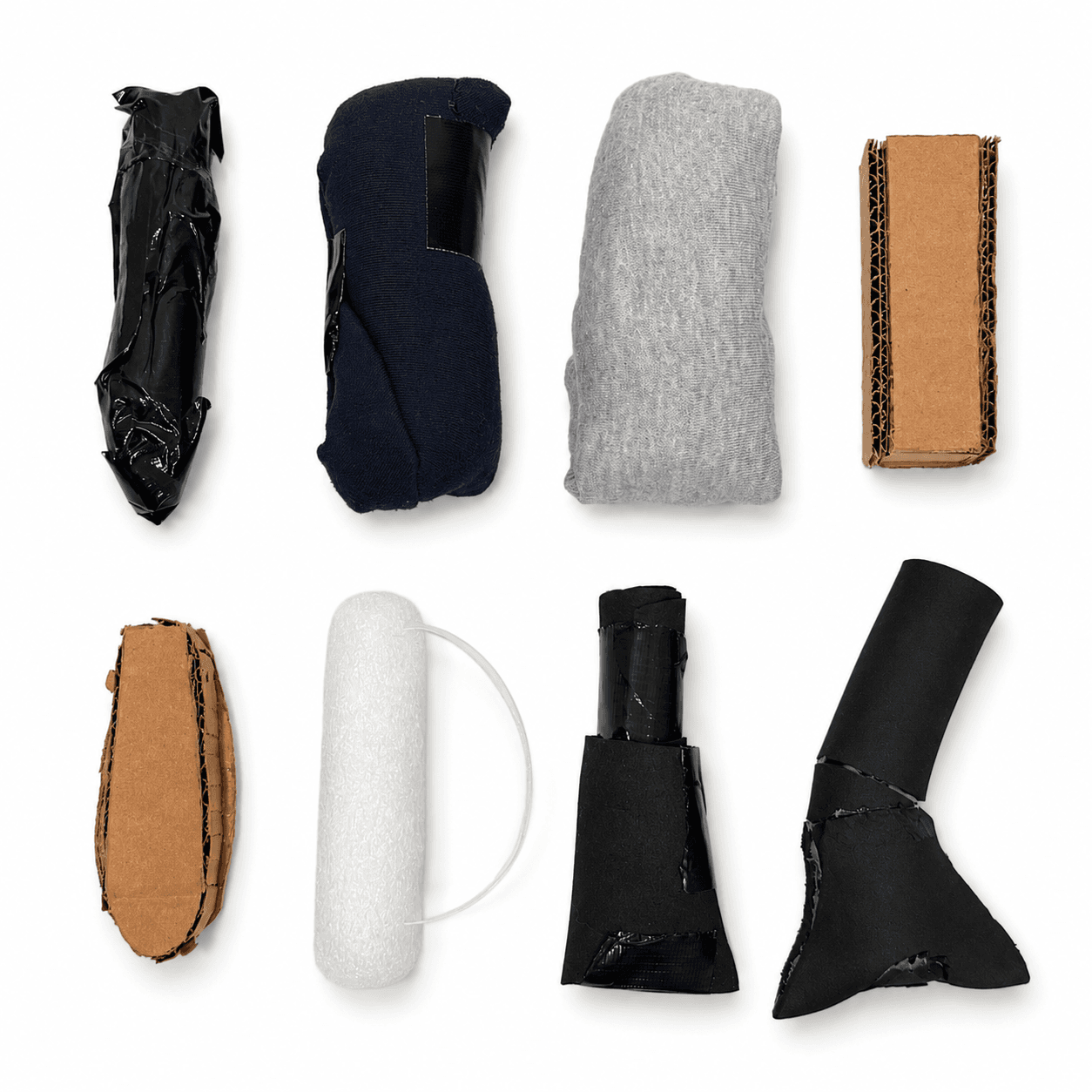
Early physical prototypes were used to explore handle proportions, cushioning, surface form and grip support. Different low-fidelity materials allowed ideas to be evaluated quickly before progressing into more refined ergonomic profiles and CAD development.
Ergonomic Profile Exploration
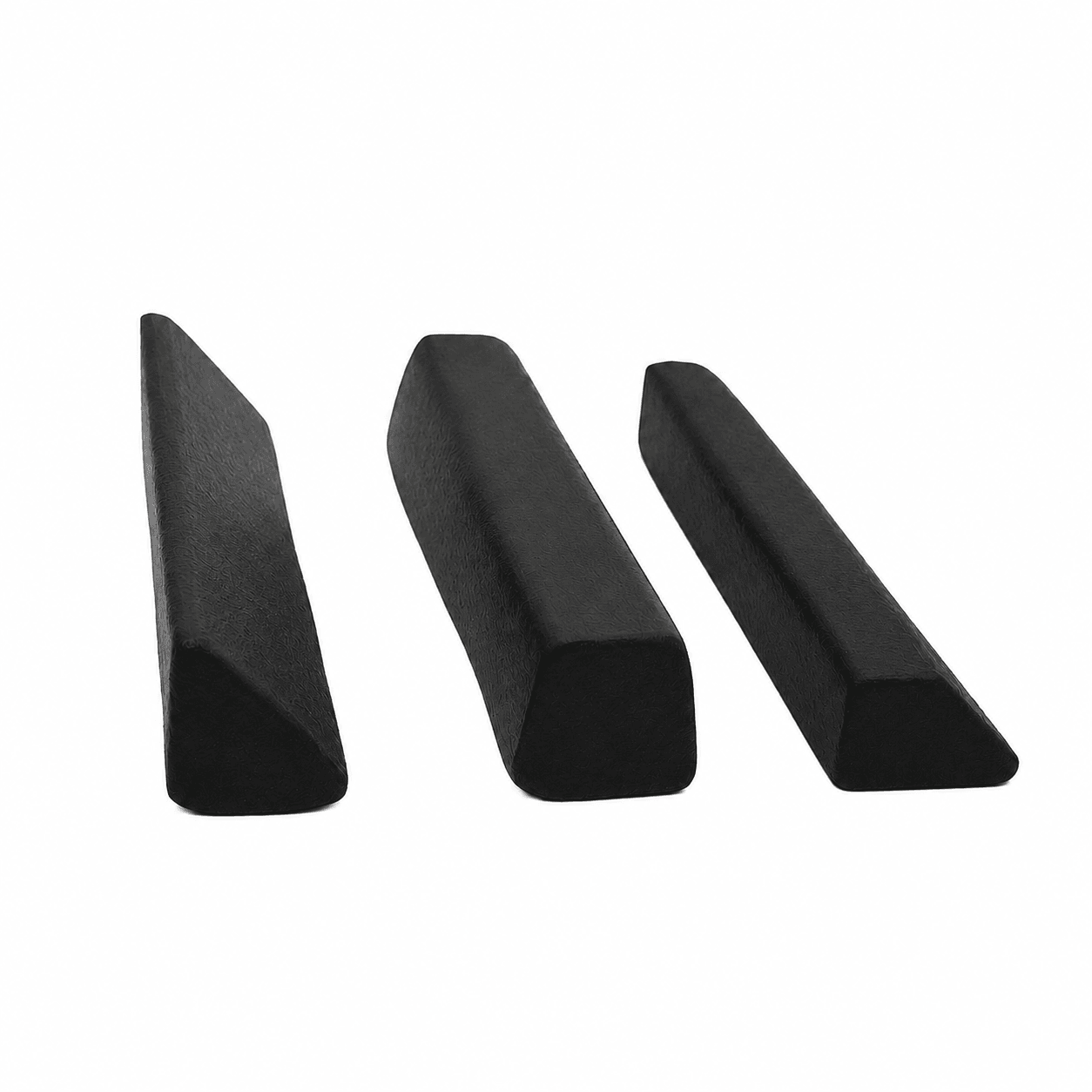
Three interchangeable grip profiles were developed to investigate different balances of hand support, orientation, comfort and overall bulk.
Triangular Incline Profile
An angled profile designed to guide hand placement and improve handle orientation, creating a more directional and supportive grip form.
Asymmetric Trapezium Profile
A broader profile developed to increase comfort and surface support, providing a softer and more stable ergonomic grip.
Rounded Trapezium Profile
A slimmer profile designed to maintain grip direction while reducing overall bulk, creating a lighter and more controlled ergonomic alternative.
CAD & Technical Development
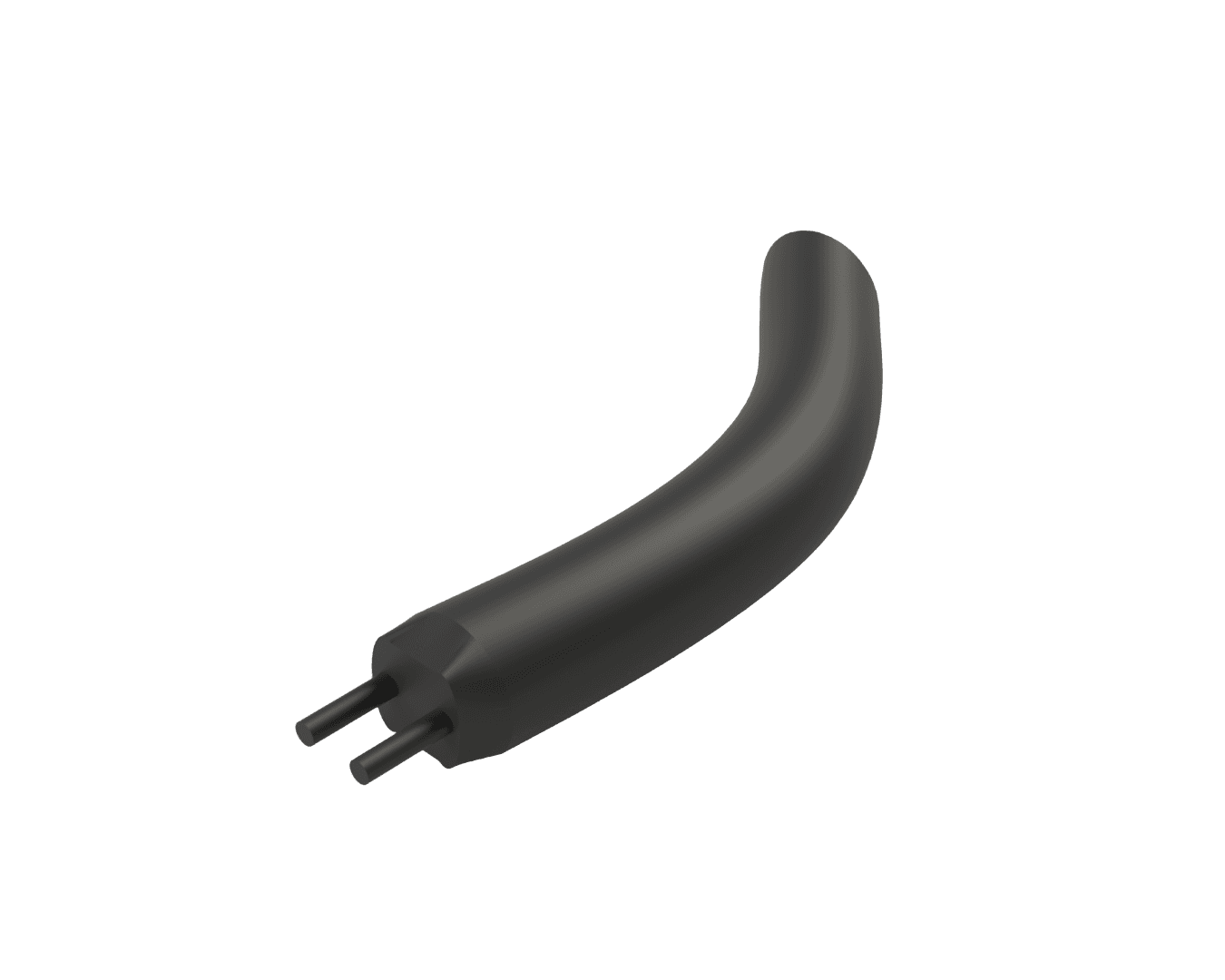
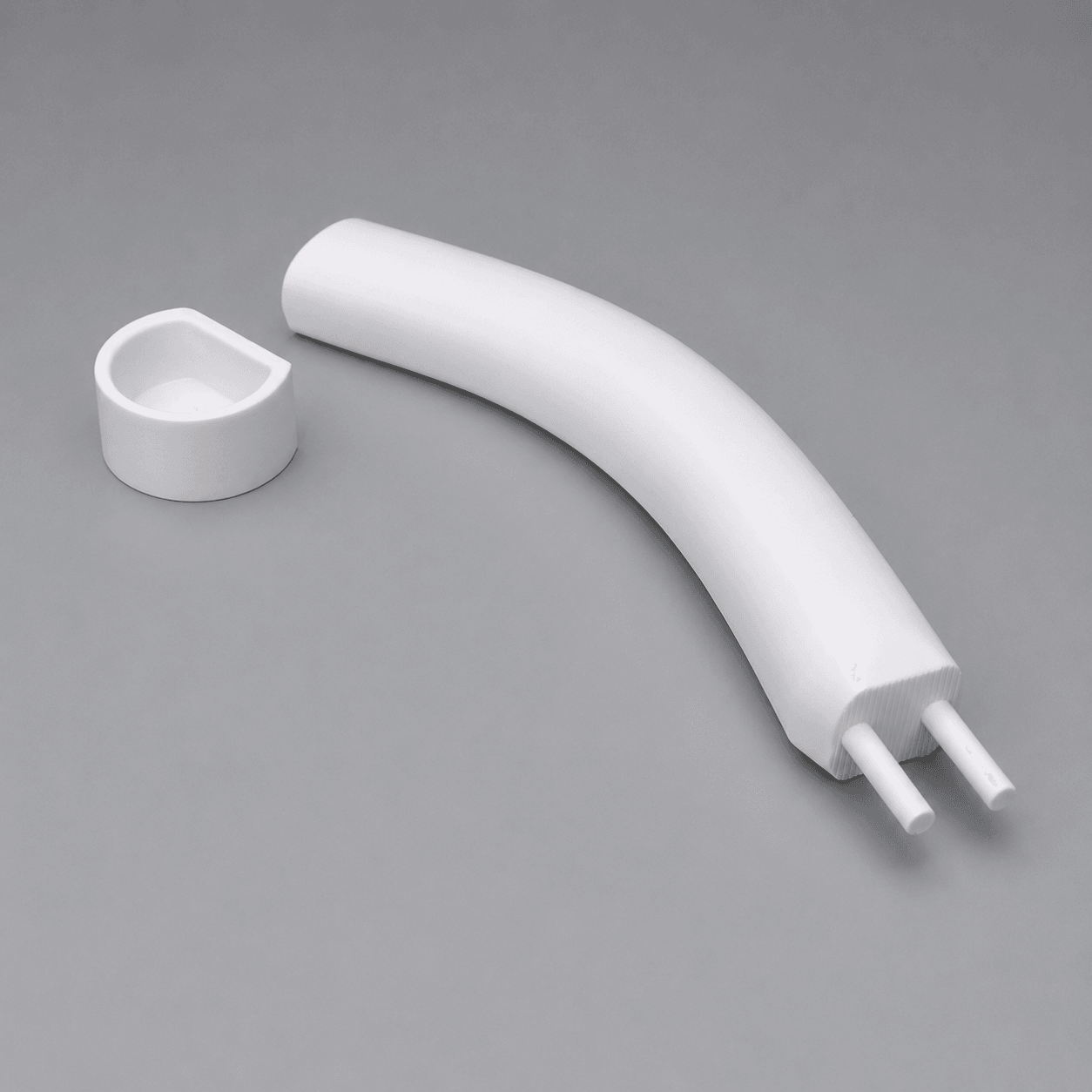
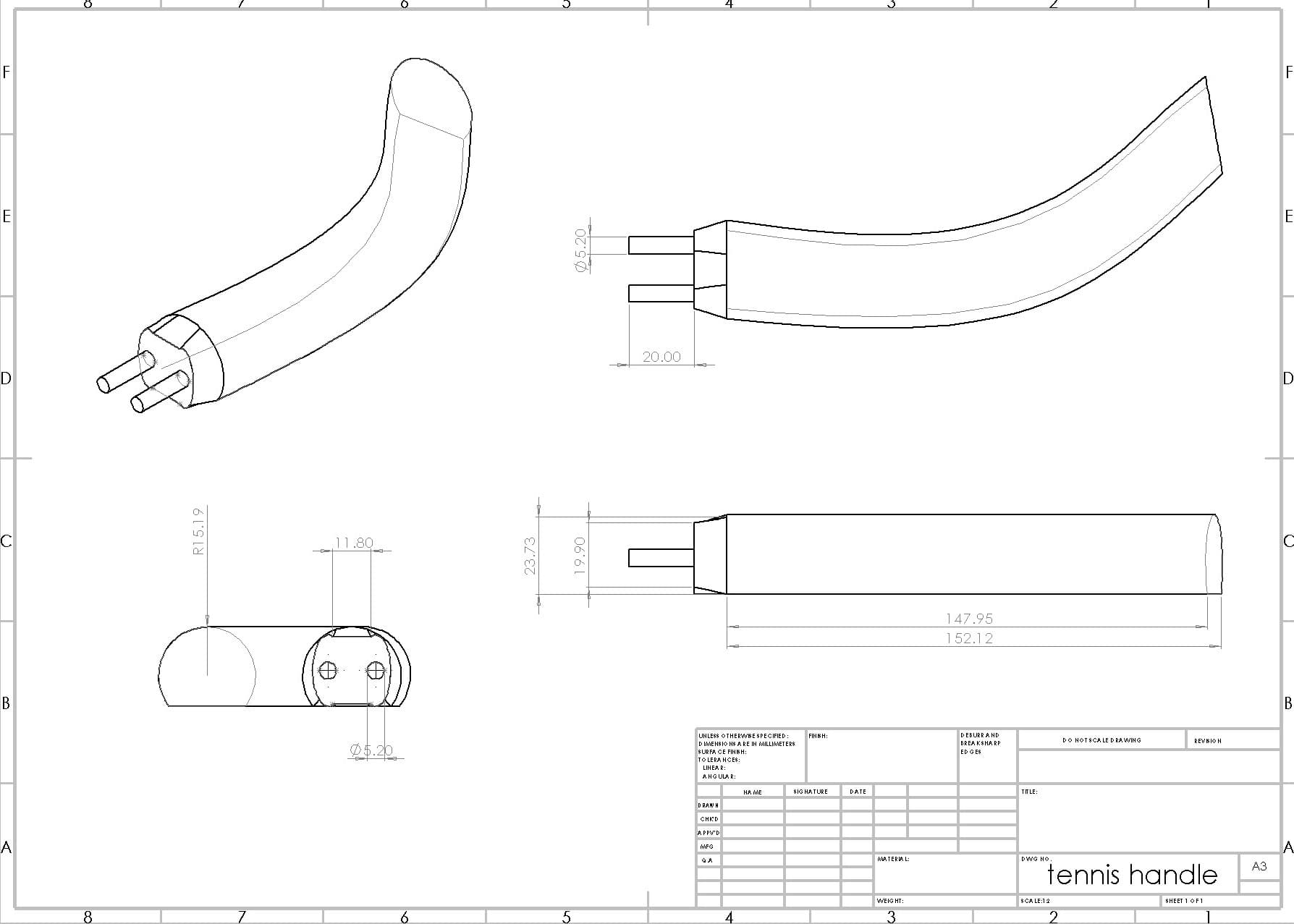
The selected curved handle geometry was translated into CAD and developed as a retrofit-style handle concept. Digital development helped resolve the overall form, attachment interface and final proportions, while technical drawing views documented the developed geometry more clearly.
Final Outcome
The project resulted in a curved retrofit tennis-racket handle concept developed through ergonomic exploration, prototyping, profile development and CAD. The final direction focuses on providing greater hand support while encouraging a more neutral wrist position.